The Ultimate Guide to Home Additions in Overland Park
Why Overland Park Homeowners Are Choosing Additions Over Moving
Moving to a bigger house sounds simple until you actually run the numbers on what it costs right now. Mortgage rates are still high, for-sale inventory in the Kansas City metro stays tight, and trading up to a larger home costs significantly more than it did a few years ago. For many Overland Park families, that equation has made staying put and building out the smarter move.
But it's not only about finances. Overland Park's school districts are a genuine draw, and once families settle into neighborhoods like Deer Creek or Nottingham Forest, leaving means giving up something real. An addition lets you gain the square footage you need without uprooting your kids or losing the neighbors you actually like.
Then there's the customization factor. Buying an existing home means inheriting someone else's floor plan.
Building an addition means getting exactly what your family needs, whether that's a first-floor in-law suite, a larger primary bedroom, or a dedicated home office. No compromises.
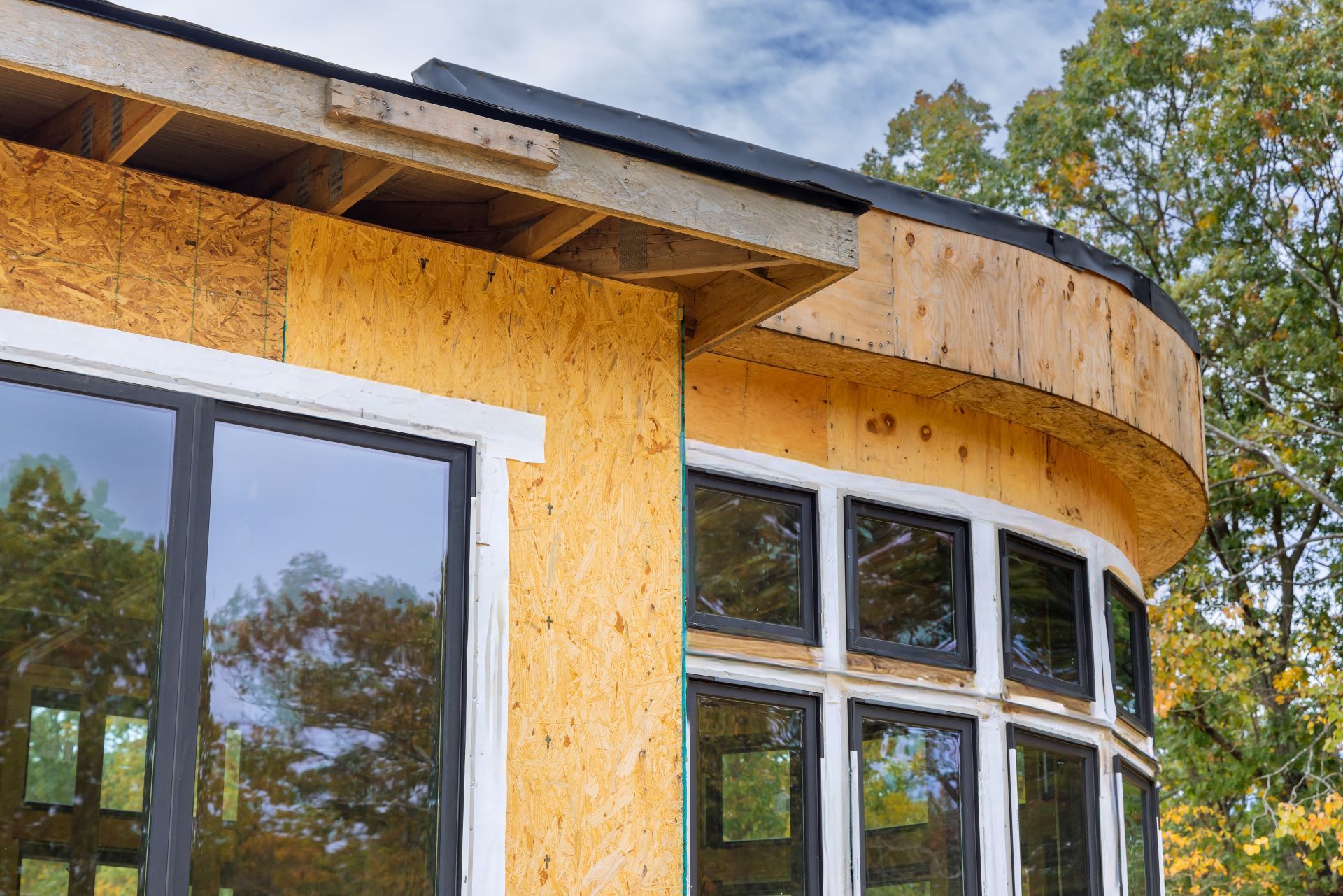
SES Custom Remodeling works specifically with Overland Park homeowners on large-scale additions, handling everything from the first design conversation through final city inspection. The sections below walk through what that process actually looks like.
Types of Home Additions to Consider
Not every addition looks the same. The right choice depends on your lot, your budget, and what problem you're actually trying to solve. Here's an honest breakdown of the most common options.
Room Additions (Bump-Outs)
A bump-out extends an existing room outward, typically two to ten feet. It's the least disruptive option and usually the most affordable, since you're not building a full foundation or a new roofline from scratch. Common uses include expanding a cramped kitchen, adding square footage to a primary bedroom, or carving out space for a larger bathroom. If your needs are focused rather than sweeping, a bump-out deserves serious consideration before you pursue anything more ambitious.
Second-Story Additions
Adding a second floor makes sense when you want significant square footage but can't afford to lose yard space. This is especially relevant on smaller Overland Park lots where setback requirements limit how far you can build outward. The tradeoff is complexity and cost. Structural engineering, temporary roof work, and staircase integration all add up, making this one of the more involved addition types.
Garage Conversions and ADUs
An accessory dwelling unit (ADU) is a self-contained living space, sometimes built from a converted garage, sometimes added as a separate structure. These address the growing demand for multigenerational living and can also generate rental income. Johnson County has specific requirements around ADUs that are worth reviewing early in planning.
Sunrooms and Four-Season Rooms
A three-season sunroom is a lighter build, typically uninsulated, and works well during Overland Park's spring and fall. A four-season room is fully insulated, climate-controlled, and usable year-round. The cost difference is meaningful. Be clear on how you plan to use the space before committing to a design.
In-Law Suites
Demand for in-law suites has grown steadily as families plan ahead for aging parents. A well-designed suite includes a private bedroom, bathroom, and often a small kitchenette. These can be added as part of a first-floor addition or folded into a larger project.
If a bathroom or kitchen is part of the suite scope, the bathroom remodel cost and kitchen remodel cost pages offer useful context on what those individual components typically run in the Overland Park market.
What Does a Home Addition Cost in Overland Park?
In Overland Park, home additions generally run $150 to $400+ per square foot, depending on the type of addition and finish level. That spread exists for a reason. A basic bump-out with standard finishes sits at a very different price point than a second-story addition with custom millwork and a new HVAC zone.
Cost Ranges by Addition Type
Here's how the major addition types break down in the KC metro market:
- Bump-out additions (small extensions, typically under 300 sq ft): $20,000 to $75,000
- Single-room additions (bedroom, living space, dedicated office): $80,000 to $150,000
- In-law suites or ADUs: $100,000 to $200,000+, depending on plumbing and kitchen scope
- Second-story additions: $150,000 to $300,000+, often more due to structural demands
- Sunrooms and four-season rooms: $30,000 to $90,000, varying widely by insulation and HVAC needs
These figures reflect Overland Park labor and material costs, which track closely with Kansas City metro averages. If a kitchen or bathroom is part of the addition scope, the kitchen remodel cost and bathroom remodel cost pages break down those component costs in more detail.
Key Factors That Affect Your Final Price
The per-square-foot number only tells part of the story. Several variables can shift your total meaningfully:
- Foundation work: Soil conditions and existing slab or crawl space type affect what's required
- Roofline complexity: Tying into a simple gable is cheaper than matching a hip or intersecting roof
- HVAC extensions: Adding square footage almost always means expanding capacity, sometimes requiring new equipment
- Permitting fees: Johnson County and City of Overland Park fees vary by project size and scope
- Material selections: Flooring, windows, trim, and fixture grades add up fast at the finish stage
Getting a firm number starts with an on-site assessment. Square footage alone won't tell a contractor what your foundation requires or how your roofline connects. If you're trying to figure out whether your project fits a particular budget, reaching out to SES Custom Remodeling for a site consultation is a practical way to get real numbers before committing to anything.
Permits and Local Regulations You Need to Know
Any structural addition in Overland Park requires a building permit through the City of Overland Park Development Services. No exceptions. This covers framing, electrical, plumbing, HVAC tie-ins, and foundation work. Skipping that step isn't a shortcut. It's a liability.
Before design even begins, your lot's zoning classification determines two things: setback requirements (how far the addition must sit from property lines) and lot coverage limits (the maximum percentage of your lot that structures can occupy). These rules vary, and they directly affect the size and placement of what you can build. A good local contractor checks these constraints before a single plan gets drawn.
HOAs add another layer entirely. Communities like Nottingham Forest and Deer Creek have active design review committees with their own approval timelines. Review your CC&Rs early. HOA denial can delay a project by weeks, or kill a design outright.
Any contractor who suggests skipping the permit is handing you a problem you'll inherit at resale. Unpermitted additions can fail a home inspection, complicate your homeowner's insurance, and potentially require costly removal or correction later. A reputable contractor pulls permits on your behalf and builds the approval timeline into the project schedule from day one.
How to Choose the Right Home Addition Contractor in Overland Park
The uncomfortable truth is that the outcome of your final inspection depends almost entirely on who you hired at the start.
Begin with the basics. Verify that any contractor you're considering holds an active Kansas contractor license and carries both general liability and workers' compensation insurance. Ask for the certificates directly. If they hesitate, walk away.
Portfolio matters, but be specific about it. A contractor who mostly handles interior renovations is not the same as one who has completed full additions. Ask to see finished addition projects in Overland Park or the broader Johnson County area, then request references from jobs of similar scope and actually call those homeowners.
Get at least three itemized bids. A number that comes in dramatically lower than the others is not a deal. It usually means something was excluded from scope, or corners will get cut mid-project to hit that price.
Read the contract carefully. It should spell out scope, payment milestones, how change orders are handled, and what warranty covers the finished work. Vague contracts produce disputes.
SES Custom Remodeling handles additions as a core part of their work across Overland Park and the KC metro, not as an occasional side project. That distinction shows up in the process, the paperwork, and the finished product.
Contact us today to schedule a consultation!
